Smart Electric & Voltage Converter
Convert electric voltage values quickly and accurately between different units with a simple and easy-to-use converter.
Share on Social Media:
Smart Electric & Voltage Converter
Electricity powers almost everything we use today. From small home devices to large industrial machines, voltage matters. Using the wrong voltage can damage equipment or cause safety issues. This is where a Smart Electric & Voltage Converter becomes useful.
This article explains what a Smart Electric & Voltage Converter is, why people use it, how it works, and what alternatives are available. The goal is to keep things simple, clear, and honest.
What Is a Smart Electric & Voltage Converter?
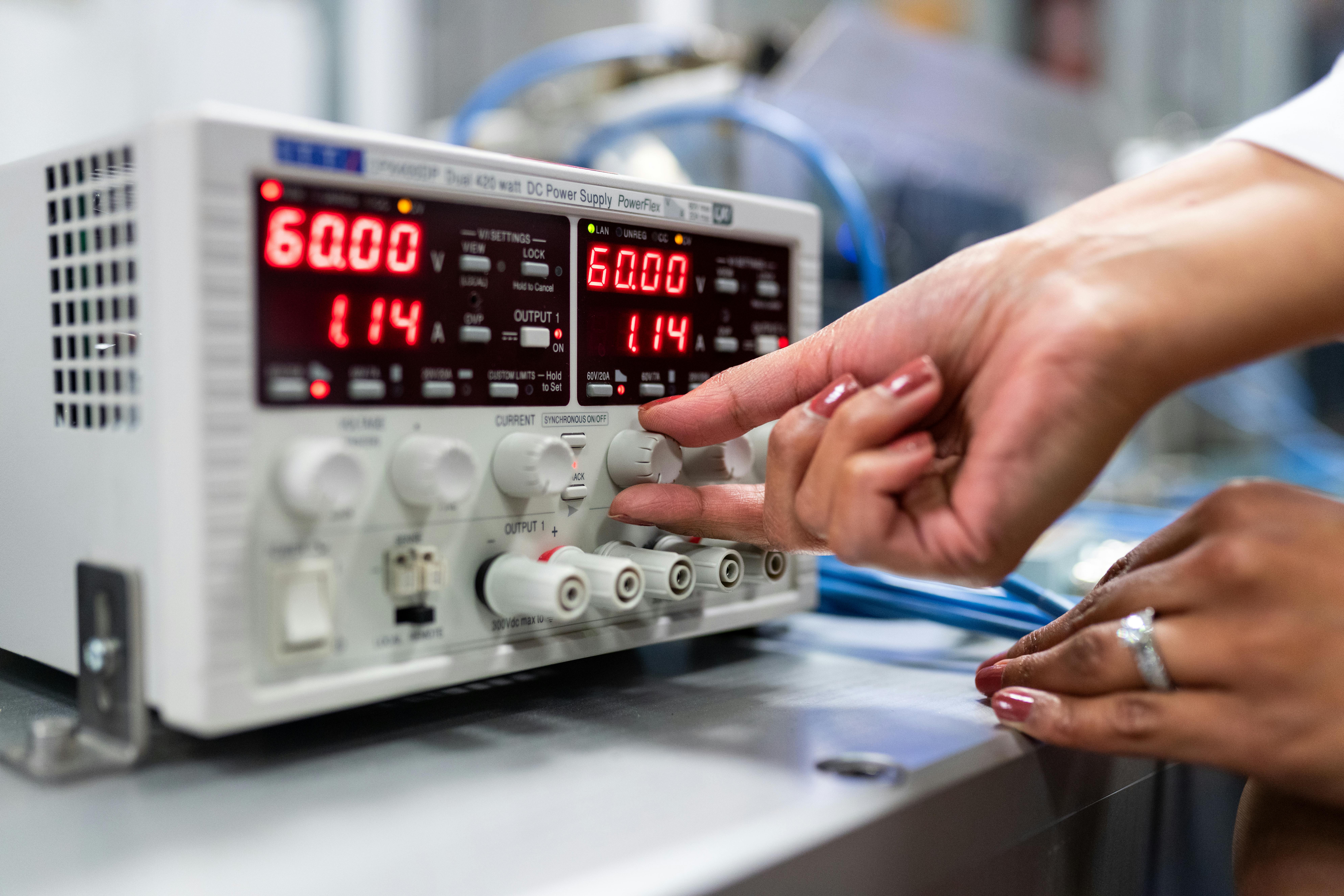
A Smart Electric & Voltage Converter is a digital tool that converts voltage values from one unit to another. It helps users understand and compare electrical values quickly.
Common voltage units include volts (V), millivolts (mV), kilovolts (kV), and microvolts (µV). A smart converter handles these conversions accurately without manual calculations.
Unlike basic calculators, smart converters focus on ease of use. They often provide instant results, clean interfaces, and fewer chances for errors.
Why Voltage Conversion Matters
Voltage conversion is not just for engineers. Many everyday situations require it.
People use voltage conversion when:
Working with electronic circuits
Studying physics or electrical subjects
Repairing or testing devices
Comparing power standards between regions
Reading technical manuals
A small mistake in voltage understanding can cause equipment failure. In some cases, it can even be dangerous. That is why clear and accurate conversion matters.
What Makes a Converter “Smart”?
Simple Input and Output
A smart converter allows users to enter a value once and get results instantly. There is no need to remember formulas or conversion factors.
Accurate Calculations
Accuracy is critical in electrical work. Smart converters use precise mathematical logic to avoid rounding mistakes.
Clean and Friendly Design
A smart tool focuses on clarity. It avoids clutter and confusing options. This makes it suitable for beginners and professionals alike.
Fast Results
Conversions happen instantly. This saves time during study, work, or troubleshooting.
How a Smart Electric & Voltage Converter Works
The process is straightforward.
You select the input voltage unit.
You enter the voltage value.
You choose the output unit.
The converter shows the result immediately.
Behind the scenes, the tool uses standard electrical conversion formulas. These formulas are well-known and widely accepted in science and engineering.
No guesswork is involved. The logic stays consistent and reliable.
Who Can Benefit From This Tool?
Students
Students often struggle with unit conversions during exams or homework. A smart converter helps them double-check their answers and learn faster.
Electricians and Technicians
Professionals deal with voltage values daily. A quick conversion tool reduces mental load and saves time on the job.
Engineers
Engineers need accurate numbers when designing or testing systems. A smart converter supports quick verification.
DIY Users
People working on small electronics projects can avoid mistakes by using a clear and simple voltage converter.
Common Use Cases
Electronics Repair
Many devices list voltage values in different units. A converter helps match power requirements correctly.
Education and Learning
Teachers and learners use converters to explain concepts without distractions.
International Standards
Different countries use different voltage standards. Conversion tools help when working with imported equipment.
Limitations to Keep in Mind
A Smart Electric & Voltage Converter is helpful, but it has limits.
It only converts values. It does not diagnose electrical problems.
It cannot replace proper training or safety knowledge.
It depends on correct user input.
Understanding these limits helps users rely on the tool correctly.
Alternatives to a Smart Electric & Voltage Converter
Manual Calculation
You can convert voltage units using formulas. This method works but takes more time and increases the chance of errors.
Scientific Calculators
Some calculators support unit conversion. However, they may feel slow or confusing for quick tasks.
Reference Charts
Printed charts list conversion values. They are useful but not flexible. You cannot adjust them easily for custom values.
Engineering Software
Advanced software tools include voltage conversion. These tools are powerful but often complex and unnecessary for simple needs.
Compared to these options, a smart converter offers speed and simplicity.
When You Should Not Rely Only on a Converter
In high-risk environments, such as industrial electrical systems, conversion tools should not be the only reference. Safety standards, equipment manuals, and professional judgment matter more.
A smart converter supports decision-making, but it does not replace experience or safety rules.
Choosing the Right Converter Tool
When selecting a Smart Electric & Voltage Converter, look for:
Clear unit labels
Instant results
No hidden calculations
Simple interface
Accurate output
Avoid tools that overcomplicate the process or show unnecessary information.
Final Thoughts
A Smart Electric & Voltage Converter is a practical and reliable tool for anyone working with electrical values. It simplifies voltage conversion and reduces mistakes. It saves time and improves understanding.
While it does not replace technical knowledge, it supports learning and daily work in a meaningful way. For students, professionals, and everyday users, it offers a clean and efficient solution.
Used correctly, it becomes a helpful part of any electrical toolkit.